Chicago Car Club

Classic Car

Is It Time to Sell Your Classic Car? Here's How to Know
Classic Car

Is It Time to Sell Your Classic Car? Here’s How to Know

Nobody makes this decision on a whim. It’s more like a song you keep skipping but never delete. A quiet feeling that shows up in the garage doorway and leaves before you have to deal with it. This article is for the person who’s had that feeling more than once. Real signs, honest conversation, a little humor, zero judgment. The car has become a monthly subscription you never use. Add it up. Storage. Insurance. Battery maintainer. The rodent deterrent after that October incident. The cover you’ve replaced twice. Now ask yourself when you last actually drove it. If the math stopped making sense around the same time the joy did, that’s worth sitting with. This is usually when people start quietly browsing where to find classic car buyers just to see what their options look like. A big repair is on the table and you’re not excited about it. Real enthusiasts get fired up about a project. “Needs a full engine rebuild” reads like an invitation to them. If those same words made your stomach drop, that reaction is the actual data point. A car that no longer excites you to fix is already moving on without you. You’ve quietly stopped trusting it. Around the block is fine. But the highway? At night? In the rain? Hard pass. You call it being cautious. Maybe that’s true. But a car you can only drive in perfect conditions, at perfect hours, is a car you’re managing, not enjoying. Most classic car buyers and sellers who’ve spent real time in this hobby will tell you the same thing: when you stop looking forward to drives, the relationship has already shifted. You feel anxious, not proud, when someone notices it. You know the feeling when you love a car. You point things out. You tell stories. Now compare that to immediately listing everything wrong with it the second a neighbor says “nice car.” When the car becomes something you apologize for instead of something you celebrate, something has changed. Sentiment is real. But when it’s the only reason left, notice that. The memory of why you bought it, who owned it before, what it meant, that lives in you, not in the sheet metal. Keep the badge. Keep a photo. Keep the key fob in a drawer. And let the car find someone whose “now” is actually ready for it. The Lifestyle Signal The money has somewhere more interesting to go. Another car that fits your life better. Travel. A home project. Your kid’s tuition. If you’re already doing the mental math on what selling could fund, your priorities are quietly talking to you. Selling a classic to do something meaningful doesn’t make you less of a car person. It makes you someone who knows what this chapter is actually about. You’ve already started searching for buyers. You’ve typed who buys classic cars near me? more than once this month. You’ve browsed comps. You’ve checked what similar cars are selling for. You’ve looked up a classic car dealer near me on a Tuesday night for no particular reason. Your fingers already know what your heart is still working up to. Will I regret selling my classic car? Some people feel a pang when the transporter pulls away. That’s real. But most sellers say it fades quickly, especially when the car went to someone who genuinely wanted it. The ones who regret it most sold in a rush to the wrong buyer. A proper valuation and a buyer who respects the car makes all the difference. Is now a good time to sell? Demand for honest, well-documented classics has stayed strong. Cars from the 60s through the 90s are especially active right now. Waiting for the perfect moment has its own cost when the car sits unused in the meantime. The Easiest Next Step Send Chicago Car Club your photos and a quick description. Free valuation, zero pressure, certified funds same day if the offer works for you. Someone out there is ready for this car. All you have to do is start the conversation.
Frequently asked questions about selling your classic car
Classic Car

Frequently asked questions about selling your classic car

Selling your classic car can be a tough decision. Especially when it used to be your favorite. But there comes a time when you realize it’s a smart decision to sell it then spending on its repairs. It happens with all of us. Then comes all the questions in mind. Like “which is the best classic car dealer near me?” “Should I fix it before selling?” That’s why we’ve created this article. It’s is your straight-talking FAQ for classic car owners at that crossroads. Valuation, selling, storage, what wrecks resale value, what saves it. Real answers, no runaround. Read on. Q: How can I estimate my classic car’s value on my own? Start with your exact specs. This includes year, make, model, trim, original engine, factory options. Then hunt down completed sales on Hagerty, Bring a Trailer, or Barrett-Jackson. Completed sales only. Listed prices are basically fiction. Adjust for your car’s condition, paperwork history, and mileage. It takes an hour but gives you a number grounded in reality, not wishful thinking. Q: What does Chicago Car Club’s free valuation include? You send over photos and details. The team cross-references them against real current market data and actual transaction history. Then you get a clear value and, if it makes sense, a purchase offer on the spot. You take it or walk away. No guilt trip, no countdown timer. The best classic car dealerships operate this way because they know a good reputation outlasts any single deal. Q: What’s the simplest way to sell a classic without the headaches? Photos first. Title and service records second. Then a conversation with someone who actually knows the market. Classic car dealership buyers who work full-time in this space can read a car’s story from a well-documented file faster than most people can read a menu. Your paperwork is genuinely your secret sauce here. Q: Is it smarter to sell to a dealer versus privately? Private sales have their appeal. More money on paper, sure. But the Craigslist experience for a classic car is basically a part-time job with a side of frustration. You get lowball offers, people who ghost after three days of negotiation, and the occasional guy who shows up an hour late, kicks the tires, and offers you 60 cents on the dollar. Classic car dealerships buying cars full-time bring speed, real paperwork handling, and certified funds.  Q: Should I fix the car before selling? Think of it like staging a house before listing. You clean, you patch the obvious stuff, you make it feel cared for. Fresh tires if the current ones are cracked. Fix an active leak. Do a proper detail. But spending $8,000 on a respray hoping to recover $10,000 at sale? That math almost never works out. Buyers still negotiate. Save the big money for the next car. Q: Can a non-running or rough car still sell well? Yes, and often better than people expect. Project cars have their own passionate corner of the collector market. Think of the fans who built entire careers around restoring barn finds on YouTube. The formula is simple! Be honest, photograph everything including the ugly parts, and price for what it is. Many people who’re confused on how to “sell my classic car to a dealer” prefer this strategy. Q: Why should a classic be driven at least once a month? Because sitting is the enemy. Brake rotors rust over in weeks. Seals dry out. Fuel goes stale faster than you’d think. Batteries give up quietly in the night. Tires develop flat spots that never fully recover. A short monthly drive keeps everything moving, lubricated, and alive. Skip it long enough and you go from “weekend driver” to “project car” without ever picking up a wrench. Q: Which modifications usually hurt resale value? Wrong-era repaints. Cheap aftermarket wheels that look like they came from a 2003 Fast and Furious prop sale. Irreversible body modifications. Cutting the dash to fit a touchscreen from Best Buy. The guiding principle is reversibility. Period-correct upgrades with the original parts labeled and stored are almost always fine. But anything that screams “big ambitions, limited budget, no plan” will follow the car’s value on the way down. Ready to Know What Your Classic Is Actually Worth? Send Chicago Car Club your photos and a quick description. You’ll get a free, honest valuation based on what the market looks like right now, today, in the real world. No pressure. No obligation. Just clarity on what you’ve got sitting in that garage and what someone would genuinely pay for it.

Freshen the Cabin to Increase the Value of Your Classic Car
Classic Car

Freshen the Cabin to Increase the Value of Your Classic Car

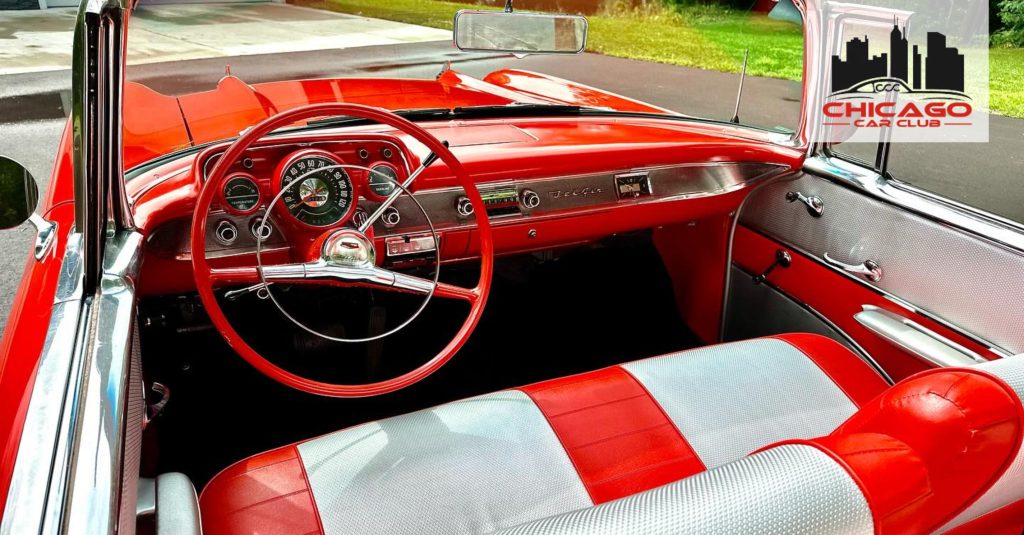
You can have the prettiest paint in the world, but if the cabin feels tired, buyers feel it instantly. Interior condition hits people in the senses first. What they see, touch, and smell decides the mood. And mood decides money. You won’t want to miss this, because a few smart cabin upgrades can lift offers without turning your life into a full restoration show. A quick scroll through listings from Classic car dealers near me makes it obvious. The cars that sell faster usually have one thing in common: the inside looks cared for. Start with a deep clean, then go after “hand stuff” Vacuum like you mean it. Under seats, between cushions, trunk corners. Then focus on the touch points. Steering wheel. Shifter. Door pulls. Armrests. A clean wheel and a tidy shifter boot make the car feel loved, not just stored. Fix the small ugly things that whisper “neglect” Loose trim, missing screws, sagging visors, broken vents, cracked knobs, rattly door cards. These are cheap fixes with a big payoff. They’re also the kind of things Classic car dealership buyers notice fast because they signal how the rest of the car was treated. Seats: repair before you replace If the seats are original and decent, protect that. Repair seams. Tighten seat tracks. Fix a wobbly backrest. A clean, honest seat often sells better than a budget reupholstery job that looks “new” in the wrong way. Carpets and mats: clean, then decide Shampoo carpets. Clean sill plates. Replace worn mats with period-friendly ones. If the carpet is beyond saving, go for the right color and texture. This is one of those moments where “close enough” becomes obvious in photos. Make gauges and switches behave Working gauges calm buyers down. A dead fuel gauge makes them wonder what else is asleep. Fixing bulbs, cleaning grounds, and getting the basics working is a small effort that makes the car feel reliable. If your plan is to Sell my classic car to a dealer, this is easy value. Handle the smell like an adult Don’t cover odor with a perfume bomb. Find the source. Old trunk moisture. Under-seat padding. Vintage carpet funk. Clean it properly, then use a true odor neutralizer. The goal is “clean old car,” not “airport gift shop.” Keep the story items neat Put manuals, receipts, spare keys, and small tools in a simple folder. A tidy paper trail feels premium. That’s the kind of detail the Best classic car dealerships love because it helps them sell the car with confidence. Bonus: keep upgrades reversible Hidden Bluetooth and discreet speakers behind factory grilles can help, as long as the dash stays uncut. Keep original parts labeled. That keeps your buyer pool wide, including Classic car dealerships buying cars that prefer clean, reversible choices. FAQs How much cabin work is “enough” before selling?Enough is when it feels clean, smells normal, and everything you touch feels solid. Fix the little stuff that screams neglect. Skip big reupholstery unless it’s truly necessary. Should I restore the interior or keep it original?Original wins when it’s clean and presentable. Restore when tears, rot, or missing parts make the cabin feel rough. Quality and correctness matter more than “new.”

A Classic Car That Isn’t Driven Becomes Needy
Classic Car

A Classic Car That Isn’t Driven Becomes Needy

A classic car that sits too long turns into that friend who “just needs a quick favor” and somehow you’re helping them move apartments. It starts small. Then it stacks. And before you know it, you’re staring at a repair list thinking, “I wanted a Sunday cruise, not a second job.” You won’t want to miss this, because the biggest hidden cost of classic ownership is simple: not driving it. Stale fuel turns into a whole personality Gas breaks down over time. In older cars, that can mean varnish in the carb, clogged jets, gummy lines, and a fuel smell that lingers like an awkward party guest. The “easy fix” is draining fuel and replacing filters. The “less fun” fix is a carb rebuild and cleaning out the system. Either way, sitting adds cost. The battery dies, and then the weird stuff begins Dead batteries are common. The sneaky part is low voltage. That’s when starters drag, spark gets weak, and electrical gremlins start acting like they’re auditioning for a horror movie. Lights flicker. Gauges get moody. Then you’re buying a battery and troubleshooting “why it still feels off.” Seals dry out, and leaks show up Cars like to be used. Oil moving through seals keeps them soft. When a car sits, seals shrink and harden. Then you see drips. Rear main seals. Trans seals. Power steering leaks. It starts as “just a little spot” and turns into “we should replace these while we’re in there.” That’s how repair bills grow legs. Brakes turn into a safety bill Moisture builds. Rotors rust. Calipers stick. Drum brakes grab. The first drive after storage can feel like the car is fighting you. Brakes always win the priority list, so this one becomes an expense whether you feel like spending or not. Tires can look fine and still be done Flat spots happen. Rubber ages. Sidewalls crack. Classic sizes can cost more than you expect, and a “quick drive” on old tires is a gamble. Even if tread looks decent, time still takes its toll. Fluids age even when miles don’t Brake fluid absorbs moisture. Coolant loses corrosion protection. Oil holds contaminants and condensation. Sitting gives those fluids extra time to do damage. Corrosion inside lines and passages is expensive to undo. Rodents love a quiet garage A parked classic is a cozy condo. Mice chew wiring and pack vents with “decor.” Electrical repairs can be painful, and the smell is a bonus nobody asked for. The sneakiest cost: losing your baseline When you drive regularly, you notice small changes early. A new vibration. A slight hesitation. A tiny leak. When you don’t drive, problems pile up quietly. Then the first restart feels like everything broke at once. And this is where many owners make a very sensible choice. They decide the car deserves an owner who will drive it, and they would rather step out before the repair list gets longer. That’s why people start searching Where to find classic car buyers. They want a clean exit before “small issues” become “big checks.” If you’re in that spot, you’re not alone. The world of Classic car buyers and sellers is full of people who loved a car, then realized it was time to pass it on. If you’re typing Who buys classic cars near me?, start with one simple step: get clarity on your car’s condition and value, then choose the path that fits your life. A quick call with a classic car dealer near me can help you understand what’s worth fixing and what’s smarter to sell as-is. Straight from us to you, sitting costs money. Driving keeps it happy. And selling can be the calm, practical move when the car is asking for more than you want to give. How often should a classic car get driven so it doesn’t turn into a problem child?Aim for about once a month. Take it out long enough to fully warm up, not just a two-minute idle while you scroll your phone. A 20–30 minute drive helps charge the battery. Move fluids around. And keep brakes from getting sticky. Can I sell my classic car as-is?“As-is” is totally fine for a lot of classics. The key is honesty and good photos. Small, simple fixes can help if they make the car start, stop, and roll confidently. Big “let’s restore it first” projects usually eat money and time. If you’re unsure, get a quick value check first so you’re not guessing.

What Happens When Your Classic Car Valuation Is Wrong (And How To Avoid the Mess)
Blog, Classic Car

What Happens When Your Classic Car Valuation Is Wrong (And How To Avoid the Mess)

Classic car pricing has a funny way of messing with your head. One day you feel like a genius because you saw a similar car listed for a big number. Next day you’re staring at your inbox like it’s a desert. Here’s the thing. A correct valuation keeps the sale smooth. A wrong valuation turns it into a slow, annoying sitcom. And yes, you won’t want to miss this, because most selling stress comes from one problem: starting with the wrong number. When the price is too high, the car starts collecting dust An overpriced classic usually gets “likes,” not calls. People scroll, admire, and move on. Then the listing sits. A week turns into a month. Buyers start thinking, “What’s wrong with it?” Even if nothing’s wrong, the silence creates suspicion. The car becomes that text thread everyone ignores. This is also when people start searching Where to find classic car buyers and blaming the market, the season, the internet, Mercury retrograde, anything. The price is often the issue. When the price is too low, it sells instantly and feels weird Fast sales feel good for about twelve seconds. Then the second thought hits: “Why was that so easy?” A low valuation can leave money on the table without you realizing it. A flipper sees a bargain. A collector sees an opportunity. And you see a done deal that could have been a better deal. Negotiations get messy without a solid baseline A clear valuation gives you a spine. Without it, every buyer’s opinion sounds possible. One guy says your car is worth half because of a minor leak. Another says it’s worth double because his cousin had one. Meanwhile you’re stuck trying to referee. In conversations with Classic car buyers and sellers, the person with the clearest numbers usually controls the room. Wrong pricing attracts the wrong crowd High prices attract tire-kickers who want to “educate” you. Low prices attract opportunists who move fast and ask fewer questions for a reason. Neither is fun. Neither respects your time. Correct pricing pulls the serious middle, the buyers who actually want the car and can close clean. You spend money on the wrong fixes A bad valuation makes you throw money at shiny upgrades that do not pay back. Meanwhile the boring stuff that actually matters, brakes, leaks, rust documentation, paperwork, gets ignored. Then you’ve spent cash and still feel stuck. Timing gets missed Classic markets move. Seasons matter. Events matter. Demand shifts. A wrong valuation can make you hold during peak interest or rush during a slow stretch. Then you end up adjusting the price repeatedly like you’re playing whack-a-mole with your own listing. Offers become hard to compare Two offers can look similar, yet one includes transport, clean paperwork help, and a faster close. A solid valuation gives you a reference point so you can judge the full deal, not just the headline number. A simple step that changes everything Start with a real valuation. If you’re searching “Who buys classic cars near me?,” then pause. Get your value baseline first. It makes every next step easier, from pricing to negotiation to choosing the right buyer. A quick conversation with a “classic car dealer near me” can also help. Just ensure the valuation comes with real reasoning, not vague vibes. Chicago Car Club’s free valuation Chicago Car Club offers a free valuation and market read based on your car’s real details and the current classic and collectible market. Share a few photos and what you know. The team places a fair market value on your car, then makes an offer to purchase. Take it or leave it. The clarity is yours either way. Straight from us to you, that’s the easiest way to keep the good vibes flowing and avoid the pricing mess.

Modifications That Can Devalue Your Classic Car
Classic Car

Modifications That Can Devalue Your Classic Car

Classic cars have a vibe. A clear identity. A built-in fan club. And value follows that fan club. The wrong modification can shrink it, fast. So if a future sale is even a “maybe,” you’ll want to keep the good vibes flowing with choices that don’t quietly tank your number. A quick look at listings from Classic car dealers near me shows the same theme again and again. Cars that feel correct for their era get more confident buyers. Cars that feel “random” get more hesitation. 1) Paint that strays from the original story Changing a classic to a totally new shade can cost you later. Factory paint codes matter. Period-correct colors matter. And “almost the same” often reads as “not the same.” Buyers notice door jambs, trunk lips, and engine bays. A proper repaint in the original code, plus photos and receipts, keeps value steadier. 2) Substandard accessories Cheap add-ons do real damage. Flimsy mirrors. Budget lights. Plastic-looking trim. Questionable badges. One low-quality part makes buyers wonder what else was done on a budget. Quality accessories with clean installation do the opposite. They build confidence, which builds offers. 3) Permanent body mods Shaved handles, widebody kits, extra vents, cut bumpers, custom scoops. These can look bold, sure. They also lock the car into a narrow style lane. Reversing metalwork costs money and time, and many buyers don’t want a “project undo.” A smaller buyer pool usually means a softer price. 4) Engine swaps that change the car’s identity A swap can make a car quicker or easier to live with. Value often prefers the original drivetrain, especially on cars where the engine and transmission combo is part of the appeal. Keeping the original parts bagged, labeled, and included helps a lot. That detail matters when you’re talking to Classic car dealership buyers who see hundreds of cars and can spot missing pieces instantly. 5) Modern tech that requires cutting Touchscreens, big speakers, and drilled mounts can hurt the interior’s “classic” feel. Interiors sell emotion. Cut dashboards sell doubt. Hidden Bluetooth, reversible audio, and clean wiring routes keep things tidy without changing the cabin’s personality. 6) Wheels and stance that fight the era Oversized wheels and extreme lowering can make the car look like it’s wearing the wrong outfit to the party. Period-correct wheels and a sensible stance tend to photograph better, drive better, and sell better. If you’re comparing options before you Sell my classic car to a dealer, this one is a simple win. 7) Interiors that look off Wrong seat patterns, modern fabrics that clash, cheap vinyl, mismatched carpet colors. These pull value down because the cabin is where buyers spend time deciding. Correct materials and good craftsmanship help the car feel authentic. 8) Exhaust that narrows your audience Very loud exhaust setups can turn a fun drive into a neighborhood announcement. Some buyers want that. Many don’t. A balanced tone keeps your buyer pool wide. 9) “Shortcuts” that raise suspicion Heavy undercoating over rust, rushed paint prep, messy panel gaps, mystery repairs. Buyers see these as risk. Risk lowers offers. Clean metal, honest repairs, and documentation keep the value conversation calm. The simple rule that protects value Go for period-correct, high-quality, and reversible. Keep original parts. Keep receipts. Keep photos. That combo makes your car easier to value and easier to sell. It also helps you stand out when you’re weighing offers from Best classic car dealerships. Connect with us today if you plan to resale your classic car.

The Most Common Reasons People Sell Their Classic (And Why It’s Not a Big Deal)
Classic Car

The Most Common Reasons People Sell Their Classic (And Why It’s Not a Big Deal)

People act like selling a classic car is some kind of betrayal. Like you’re supposed to keep it forever, polish it on Sundays, and whisper “we’ve been through so much” at the hood. Cute idea. Real life is messier. Most classic owners sell for normal reasons. Boring reasons. Practical reasons. And that’s fine. A classic car is supposed to add joy. If it’s adding stress, it’s allowed to exit stage left. 1) The garage is doing too much A classic takes up space and mental bandwidth. It’s not just the square footage. It’s the “I should start it this week” thought that pops up while you’re trying to pay bills or make dinner. Sometimes you want that space back. A parking spot. A workshop corner. A place for bikes. Or just the ability to walk through the garage. When people start searching “Classic car dealers near me,” this is usually why. They want the car gone, but they want it done clean. 2) Life changed. The car didn’t get the memo New job. New schedule. New family stuff. Suddenly the “Sunday cruise” becomes “I haven’t seen it in three months.” It happens. The car isn’t offended. It doesn’t sit there with hurt feelings. It just sits. And sitting is where problems quietly stack up. If the thought is “I’d rather Sell my classic car to a dealer and move on,” that’s not dramatic. That’s efficient. 3) Sitting turns into repairs, and repairs turn into avoidance A car that isn’t driven becomes needy. Battery dies. Fuel gets old. Seals dry out. Tires get flat spots. Then the next start feels like a negotiation. You don’t want to take it out. That’s because you’re not sure it’ll come back without a tow truck involved. So it sits more. It’s a loop. Selling before that loop gets expensive is smart. It’s not giving up. It’s avoiding a slow-motion headache. 4) The “fun project” stopped being fun There’s a point where tinkering goes from relaxing to annoying. When every little drive includes a new sound, a new smell, and a new “what was that?” moment, the charm wears thin. Not everyone wants their weekends to be sponsored by a carburetor. 5) You want a different vibe Tastes change. Maybe you want something easier to drive. Maybe you want a different era. Maybe you’re done with manual steering that feels like an upper-body workout. That’s not disloyal. That’s just having preferences. 6) The market is good and you’d like to take the win Sometimes it’s timing. You see values holding strong and you think, “Okay, this might be the moment.” That’s normal. It’s also why dealing with Classic car dealership buyers can help. They’re watching the market all the time. They’re not guessing off old listings. 7) You want a simple sale, not an internet circus Private selling can be exhausting. Endless messages. Lowball offers. People “definitely coming today” who never show. Working with Best classic car dealerships is often just choosing peace. And yes, Classic car dealerships buying cars can be a relief when you want a straight deal with fewer surprises. Selling a classic doesn’t mean the love wasn’t real. It just means you’re ready for something different. And that’s a perfectly normal thing to be.

Everything You Need to Know About Valuation of Classic Cars
Classic Car

Everything You Need to Know About Valuation of Classic Cars

If you’ve ever tried to price a classic car, you already know it’s not like pricing a toaster. Or even a normal car. Classic car valuation is part math, part market mood, and part “why is this one worth more just because it has the right badges?” And if you’re already searching Where to find classic car buyers, a good valuation is your best friend. It keeps you from guessing. It keeps you from getting played. And it helps you walk into conversations like you own the room. Because you do. Why the right valuation matters A solid valuation is your safety net. Price too high and your car sits like an ignored group chat. Price too low and you basically gave someone a sweet discount without meaning to. The right number protects your time, your leverage, and your peace of mind. It also helps you deal confidently with Classic car buyers and sellers. You’ll know what’s fair. You’ll know what’s fantasy. And you’ll know when someone’s “expert opinion” is just vibes. The three things that shape value (more than people admit) Condition: Not “it’s pretty good for its age.” Real condition. Does it start cold? Does it leak? Rust? Paint quality? Interior wear? A car that runs and stops confidently almost always feels more valuable. That’s because buyers can picture driving it tomorrow.Originality and specs: Matching numbers, factory options, correct trim, period-correct parts. Small details can swing value in big ways.Demand: The market has moods. Some models are hot because everyone wants them right now. Some cool off. That’s normal. How you can value your car yourself (DIY, but smart) Start with market research. Look up cars as close to yours as possible: same year, trim, engine, transmission, and options. Then focus on closing prices, not asking prices. Asking prices are basically wish lists with a number attached. Also, be honest when you compare condition. If the listing car has fresh paint and yours has sun-fade and a mysterious trunk smell, adjust your expectations. It’s fine. Classics are allowed to have quirks. Why DIY gets tricky Here’s the thing: the classic market is not one clean price. It’s a range. And the range moves based on details most people don’t track every day. Photos can hide a lot. Sellers can exaggerate. And buyers can be… creative with their opinions. Plus, emotions get involved. Everyone’s car feels special. Sometimes it truly is. Sometimes it’s just loved. Chicago Car Club’s valuation (the “skip the chaos” option) If you’re stuck on Who buys classic cars near me?, the smarter first step is often: get your value nailed down before you pick a path. This is where Chicago Car Club helps. It starts simple. You share what you know and send a handful of photos. If you have the VIN and basic details, great. If you don’t, no stress. We’ll tell you what to look for and what matters most. Then we do the part that’s hard to DIY: we place your car in today’s market, based on current trends in classic and collectible vehicles, not outdated opinions or random asking prices. You’ll get a clear, fair market value that reflects your car’s real condition and spec. And because we’re active in the market every day, we’re not guessing. We’re comparing against what’s actually moving right now. So when you do talk to Classic car buyers and sellers, you’re doing it with confidence, not crossed fingers.

Classic Car

Selling the “Difficult” Vintage Car: Chicago Car Club’s Straight-Shot Guide

Some classics are easy. Turn the key, shine the paint, done. Others are stubborn. Maybe it will not start. Maybe the quarter panels look tired. Maybe the title went missing or the owner has passed. If you are already searching “Where to find classic car buyers,” take a breath. The right plan turns a headache into a clean, confident sale. The non-runner Make it safe, rollable, and honest. Air up the tires. Free any stuck brakes. Disconnect old fuel. Shoot a short key-turn clip so buyers hear the no-start. Snap the VIN and engine tags. Do not sink cash into half repairs. Clean access and good info are worth more than a fresh battery that hides a bigger problem. Looks rough There is patina, and then there is structural concern. Photograph floors, rails, mounts, windshield base, and trunk seams. Use a magnet to show where metal is solid. A deep clean helps more than you think. Glass polish, vacuumed carpets, and aligned trim make the car look cared for, even if it needs metal work. Estate vehicle When a relative has passed, the job is to prove the right person is selling. Gather the death certificate and the paperwork that names the executor or administrator. Keep a simple chain of custody. Sign your name, not the decedent’s. If you need a template for a clear bill of sale, we can help walk you through it. Missing title Start with identity. Photograph VIN tags. Check prior registrations or insurance cards in the glove box. Many states allow a bonded title when the car’s identity is clear. If anything on the VIN looks altered, stop and get a formal inspection. Clean paperwork paths bring calmer buyers and stronger numbers. Car in boxes Projects sell when buyers understand them. Lay out the big assemblies, label bins by system, and list the missing hardware. Add any machine shop receipts. A tidy inventory turns a mystery pile into a weekend plan. Photos, truth, and price Sixty to one hundred photos set the ceiling before anyone calls. Show the underside first, then the engine bay, interior, tags, and close-ups of issues. In the world of Classic car buyers and sellers, truth is currency. Price to the metal and the paper, not to hope. Pickup, distance, and timing You do not need to handle everything alone. We help coordinate transport and simple load-outs for low garages or flat tires. If you are wondering “Who buys classic cars near me?,” we purchase nationwide and work from clear photos plus a call. Need a local touch Every market has its quirks. A quick chat with a trusted “classic car dealer near me” can confirm which specs play well in your area and what paperwork your state prefers. Local knowledge pairs nicely with our national reach. Ready for next steps Send a short backstory, 15 to 20 photos, and your best notes on rust and documents. We will give you a friendly read and a straight number, straight from us to you. No drama, just good vibes and a clear path to a clean sale.

Classic Car

Should You Swap Your Vintage Car? Value Factors That Actually Matter

Thinking about trading your classic for another one. Good call if it makes you drive more, spend less, and sleep better. The goal is simple. Move into a car that fits your life and holds value without turning your weekends into repair montages. Here are the big checks to run before you say yes. Color and vibe If you never loved the color or interior, you will drive it less. A factory code in a crowd-pleasing shade, paired with the right trim, lifts appeal and keeps photos looking sharp. Vibe matters. The car has to make you smile when the garage light clicks on. If you need a quick sanity check on what sells locally, look up Classic car dealers near me and scan their recent listings. Spec upgrade Matching numbers, a factory performance pack, or a rare ratio can move the needle. A base model in the right spec often outruns a loaded car in a sleepy combo. Verify tags and document everything. Shortlist the Best classic car dealerships to see how they present high-spec cars and what commands a premium. The drive-more test Would you drive the other car twice as often. If the answer is yes, that is real value. Seat time keeps fluids moving, seals happy, and confidence high. A car that leaves the garage wins every time. Better ergonomics If the cabin pinches your knees or the pedal box cramps your ankle, you will make excuses. Choose a shell that fits your body. Comfort turns quick errands into extra miles. Transmission you prefer Love a manual. Need an automatic for traffic. The right gearbox changes your week. Pick the car that matches your roads and patience level. Reliability reset If gremlins keep stacking, a sorted driver with clean records is worth the swap. Fewer surprises, fewer tows, more good vibes. If timing matters and you want a clean exit, it is fine to Sell my classic car to a dealer for speed and clarity. Easier storage and garage strategy Shorter, lighter, or narrower cars are kinder to small bays and lifts. If you own two similar models, trade one for a different era or body style. Variety keeps the hobby fresh and the garage simpler. Talk to seasoned Classic car dealership buyers about what storage conditions and documentation make them lean in. Event eligibility and community Aim for models that qualify for rallies or historic tours you actually want to do. Then check the local club scene. Strong parts support and friendly meets add real joy and steady demand. Some Classic car dealerships buying cars will pay more for event-eligible, documented drivers with regular miles. Stronger resale Pick a model with a deep buyer pool and steady parts supply. When the day comes, you want easy photos, quick calls, and fair numbers. For a grounded read on local demand, compare offers from Classic car dealers near me and keep notes straight from us to you. We also let you swap your existing vintage car for the one you want in your garage.

Scroll to Top